

Truck Driver Safety Tips Every Fleet Manager Should Enforce
Commercial vehicle accidents rarely stem from a single, isolated decision behind the wheel. Instead, they are typically the byproduct of systemic policy gaps, such as the pre-trip check that was rushed, the rest window that was compressed, or the load that was signed off without proper verification.
With Singapore’s high-density urban road network, frequent heavy rain, and mixed traffic, enforcing consistent safety protocols is more important.
From pre-departure checks to fatigue scheduling, there are certain practices that fleet managers should implement for every truck driver on the roster to protect your workforce and business.
7 Safety Tips for Commercial Truck Drivers in Singapore
Safety on commercial routes protects more than the truck driver. It also protects the cargo, the vehicle, and the trucking business liable for both. The practices below cover the operational areas where you have direct influence:
1. Make Pre-Trip Inspections Non-Negotiable
Every commercial truck departure should start with a structured inspection. Tires, brakes, lights, mirrors, and load security need to be checked in that order, every time.
For commercial electric vehicles (CEVs), the pre-trip checklist needs to extend further:
- Battery State of Charge: Confirm it’s sufficient for the planned route before departure.
- Charging Port Condition: Check for damage or debris that could affect the next charge.
- Cooling System Status: Verify it’s functioning correctly to prevent battery overheating on the road.
But this works best as a fleet policy item rather than a driver habit. In addition to your regular vehicle maintenance routine, establish a standard pre-trip checklist that is assigned to an employee. Then, confirm completion before any vehicle is cleared to leave.
2. Train Drivers on Blind Spot and Space Management
Commercial trucks have larger blind spots than passenger vehicles, particularly at the rear and along the left side. Whether it’s in stop-and-go traffic or a continuous driving situation, braking distance needs to stay wide. This is especially important for delivery trucks, since late braking in a loaded vehicle carries more risk than in a light one.
Also, blind spot training shouldn’t be a one-time onboarding item. In addition to educating new hires, you should incorporate the safety training into your refresher programs for all your drivers.
3. Build Defensive Driving Into the Fleet Standard
Singapore’s mixed-traffic environment requires truck drivers to constantly negotiate space with vulnerable road users, including motorcyclists, cyclists, and pedestrians, who share space with heavy commercial vehicles. Consider adding defensive driving certification as a qualification requirement for your truck drivers to add another layer of protection.
Training materials and company-wide messages should anchor to these 7 safety tips:
- Hazard awareness
- Speed management
- Positioning
- Communication
- Space
- Mirrors
- Anticipation
4. Enforce Fatigue Management and Rest Schedules
Driver fatigue is one of the leading contributing factors in about 32% of commercial vehicle accidents. Instead of leaving your truck drivers to manage schedules, you should be the one to ensure that they operate within the Ministry of Manpower’s (MOM) recommended number of working hours.
The MOM regulates rest intervals for commercial vehicle operators, capping daily driving hours at 12 hours. As such, your route planning should include compliant rest windows to ensure safety.
Telematics systems can help here too. They can flag signs of irregular driving behavior associated with fatigue, such as late-hour driving or erratic speed patterns.
5. Prepare Drivers for Singapore’s Wet Weather Conditions
Singapore’s high annual rainfall makes wet-road handling a routine driving condition for commercial fleets. That calls for specific adjustments such as:
- Reduced speed on wet surfaces
- Increased following distance
- Avoiding sudden braking on painted road markings
- Heightened awareness of aquaplaning risk on expressways during heavy downpours
Note that rainy weather protocols work best as an agenda item in truck safety briefings. They should also be revisited regularly by the drivers rather than covered once and forgotten.
6. Enforce Cargo Securing Standards on Every Departure
Improperly secured loads create a compliance risk under LTA’s Maximum Laden Weight regulations, and a direct safety hazard on the road. Set clear standards for load distribution, tie-down procedures, and weight verification before any vehicle departs. Additionally, assign the responsibility to a named team member on every shift.
Remember, overloading compounds the risk over time as well. It accelerates tire wear and affects braking performance.
7. Use the Vehicle’s Safety Features Consistently
Modern electric trucks come equipped with features built to support safer operation: regenerative braking, stability control, and, in some models, driver assistance systems. But these features only deliver their intended benefit when drivers are trained to use them correctly.
This is an operator’s responsibility as much as a driver’s. Rather than being expected to figure out unfamiliar systems on the job, every driver should receive model-specific training whenever a new vehicle is added to the fleet.
Safety Starts With Fleet Policy, Not Just the Driver
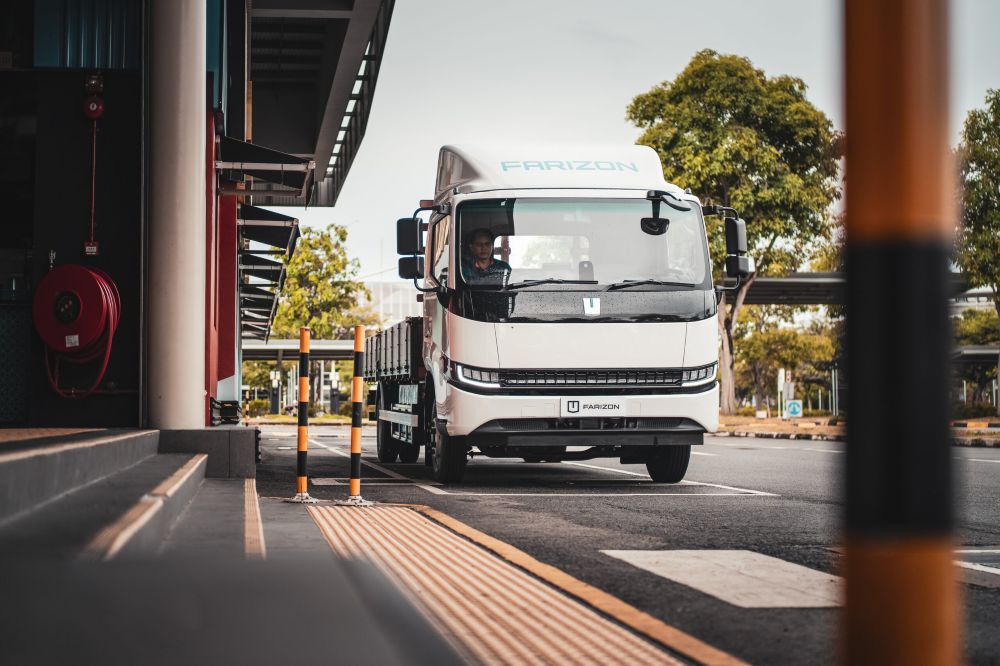
Fleet safety is a top-down management discipline. While individual driver vigilance matters, the operator sets the standard through the policies enforced, the training provided, and the vehicles chosen for the job.
Hong Seh Motors’ electric commercial vehicles are built with modern safety systems designed to support safer fleet operations across Singapore’s road conditions.
If your fleet is due for a review of its safety systems or vehicle lineup, get in touch with Hong Seh Motors today. We’ll help you determine which commercial electric vehicle models best fit your fleet’s operational and safety requirements.
Comments are closed