
How Do Electric Vehicles Work? – A Quick Guide
More businesses in Singapore are now considering switching to electric vehicles (EVs) as part of their fleet strategy, driven by the country’s push for cleaner-energy transport. However, this shift can come with uncertainty for businesses that have relied on traditional fuel-powered vehicles for decades, as EV technology operates quite differently.
So, how does an electric vehicle work? Basically, EVs run on a battery and an electric motor instead of a fuel tank and an engine. But there’s more happening behind that system.
How Do Electric Cars Work?
Unlike traditional vehicles that rely on combustion engines, all-electric cars operate using stored electrical energy. Power is drawn from a high-capacity battery and delivered directly to an electric motor, which turns the wheels with immediate torque and smooth acceleration.
With energy transferred efficiently and fewer mechanical components, EVs run quietly, require less maintenance, and help businesses reduce day-to-day operating costs while maintaining consistent fleet performance.
Since there’s no engine exhaust and no need for fuel systems, EVs also help companies reduce emissions, helping them align with the Singapore Green Plan 2030.
Key Components of an Electric Vehicle and Their Functions
To get a clearer picture of how an electric car does its job, it helps to look at the components behind its power and movement. Each system plays a role in how the vehicle works, from supplying energy to delivering reliable performance.
1. Traction Battery Pack
The traction battery pack is the main power source for an electric vehicle. It stores high-voltage energy that feeds the electric motor, enabling the vehicle to move.
Designed for durability and long driving range, this battery pack delivers consistent power output that keeps vehicles ready for cargo runs, distribution tasks, and last-mile logistics throughout the day.
2. Auxiliary Battery System
Alongside the main high-voltage battery that powers the motor, EVs also have a smaller auxiliary battery. This powers essential systems like lighting, sensors, telematics, and vehicle controls, keeping them active even when the motor isn’t running.
For businesses, this means headlights and cargo lighting stay operational during night deliveries, and onboard systems remain ready while drivers load or unload goods.
3. Electric Drive Motor
A common question from first-time EV buyers is, “Do electric vehicles have engines?” The answer is no. All fully electric cars do not have engines; they use an electric motor powered by a battery instead.
In an electric car, this motor converts stored electrical energy into power. Once power is applied to the motor, it generates instant torque to turn the wheels, giving EVs quick, steady acceleration during commercial transport activities.
4. Power Control Unit
The power control unit acts as the EV’s energy manager, directing electricity between the battery, motor, and other systems. It regulates how much power the motor receives during acceleration and adjusts energy use during slowing and braking.
Its precise power regulation supports smoother driving and better energy efficiency, especially on busy routes with frequent speed changes.
5. Thermal Management System
To keep everything running efficiently, EVs rely on a cooling and heating setup that manages the temperature of the battery, motor, and other power electronics. When temperatures climb during long delivery trips or heavy use, it helps prevent overheating; when it’s cooler, it keeps components warm enough to perform well.
This balance protects battery life, preserves driving range, and ensures the vehicle stays reliable during distribution runs, cargo movement, and urban stop-and-go driving.
6. Electric Transmission System
In an electric car, power delivery is much simpler than in a fuel vehicle. Instead of shifting through several gears, most EVs use a single-speed system that sends power straight from the motor to the wheels.
This means uninterrupted acceleration without gear changes, and a drivetrain that handles frequent stops, hill climbs, and loaded trips with less strain and fewer parts to maintain.
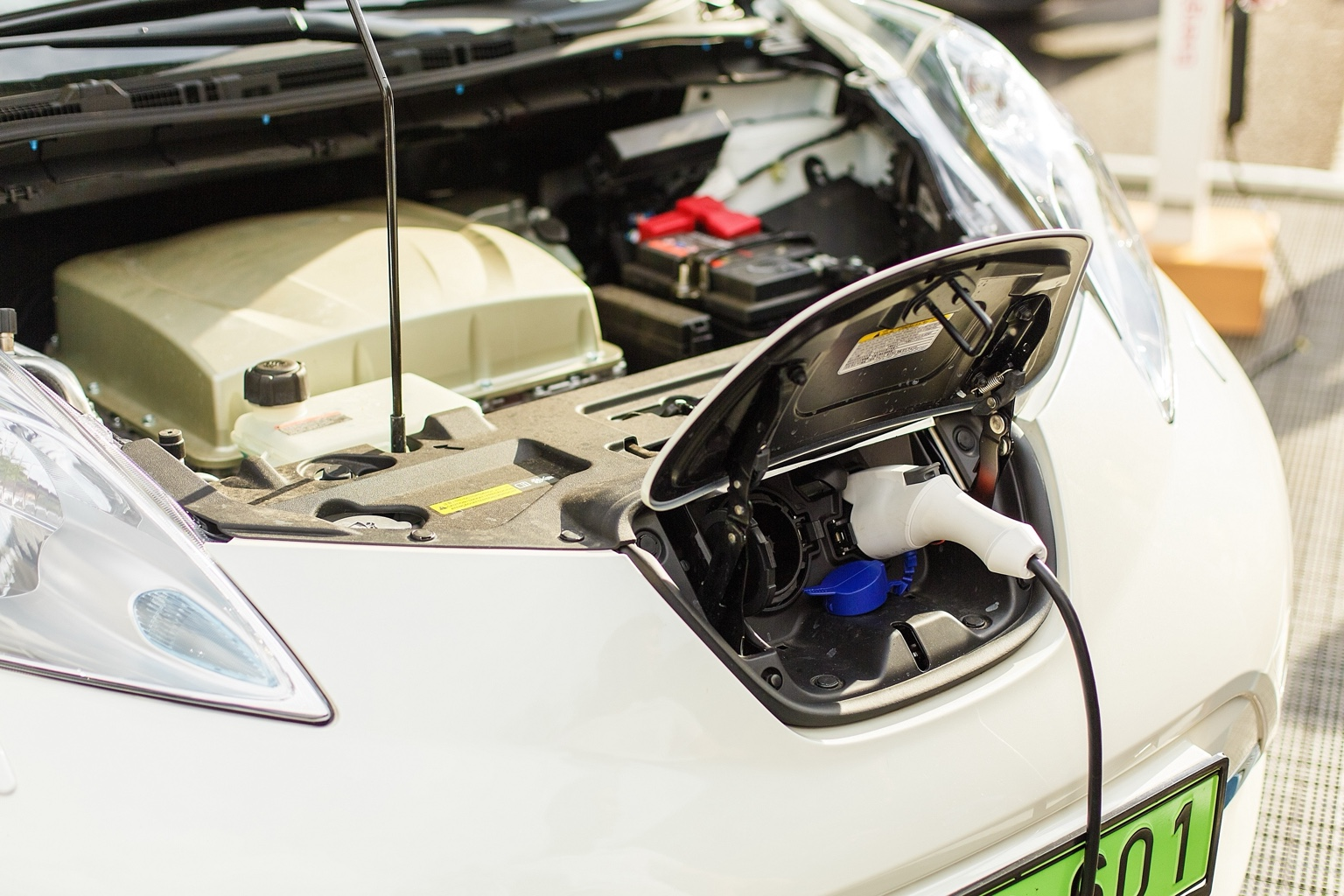
7. Charging Port
The charging port provides the connection point for supplying power to an electric vehicle. When plugged in, it links the EV to a charger so electricity can flow into the battery. Different ports support different charging speeds, from slower overnight charging to rapid top-ups.
It works much like plugging in a mobile device, giving drivers a simple way to recharge between trips or at the end of the day.
8. Onboard Charging System
When an electric car is plugged into a charger, the onboard charging system steps in to manage the entire charging process. It converts AC power from the grid into DC power that the battery can store, while also regulating current and monitoring battery health and temperature.
With controlled charging and constant monitoring, the system keeps the battery in optimal condition for regular, demanding use.
9. DC/DC Converter
Inside an EV, not all components use the same level of power. The main battery operates at high voltage, while systems such as lighting, sensors, and control modules run on much lower voltages. To handle this, the DC/DC converter reduces the battery’s energy to a level that those systems can use while also keeping the auxiliary battery charged and ready.
This keeps essential electric car systems running smoothly, ensuring vehicles remain reliable throughout delivery rounds and scheduled transport runs.
Drive Smarter with a Future-Ready Fleet
With a better understanding of how EVs work, the next step is choosing solutions that match your fleet’s needs.
Hong Seh Motors offers a selection of commercial electric vehicles built with advanced EV technology and proven reliability to support efficient, high-performing fleets across Singapore.
Explore our electric vans and electric lorries to find the right fit for your routes, capacity requirements, and day-to-day operations.
Comments are closed