
Fleet Electrification: 4 Steps in Transitioning Your Commercial Fleet from Diesel to Electric
Diesel operating costs in Singapore have been climbing steadily. At the same time, the Singapore Green Plan 2030 sets a clear direction towards vehicles running on cleaner energy. For logistics, retail, and distribution businesses, fleet electrification is moving from a long-term consideration to a near-term operational decision.
The transition, however, requires vehicle utilization audits, route-to-range matching, charging infrastructure setup, and adjustments to how the fleet is run day-to-day. Done in sequence, these steps produce a transition strategy built around how your fleet actually operates.
What is Fleet Electrification?
Fleet electrification is the process of replacing diesel or petrol vehicles with electric vehicles, supported by the charging infrastructure and operational changes needed to run them effectively. The goal isn’t simply to own electric vehicles. It’s to reduce operating costs and improve fleet-wide energy efficiency over time.
Two EV categories apply here:
- Battery Electric Vehicles (BEVs): These run entirely on battery power, producing zero tailpipe emissions.
- Plug-in Hybrid Electric Vehicles (PHEVs): These combine a battery with a combustion engine, meaning they still consume fuel on longer runs.
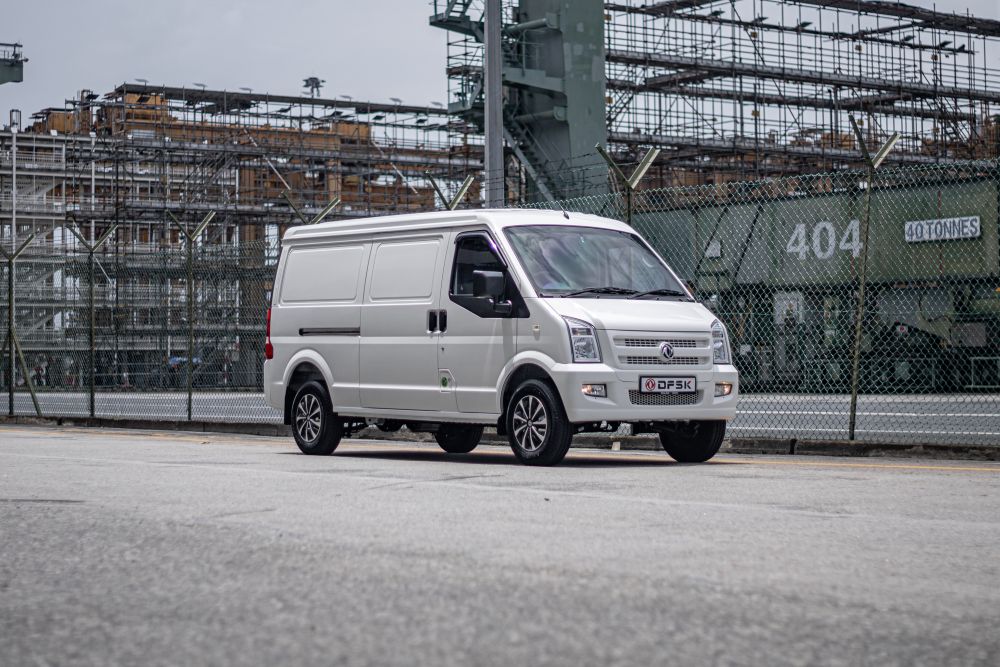
Hong Seh’s commercial electric vehicles, particularly DFSK, SRM, Farizon, and Chenglong models, are BEVs, the category most relevant to full fleet electrification.
Why is Fleet Electrification Important: Benefits for Singapore Businesses
Singapore’s commercial transport sector is under increasing regulatory and commercial pressure to cut emissions, driven by the Green Plan 2030’s clean energy targets. But for fleet operators, electrification brings benefits beyond regulatory compliance:
- Lower Operating Costs: Electric commercial vehicles cost less to run per kilometer than diesel equivalents. With fewer moving parts in an electric drivetrain, electric vehicles require less routine maintenance, including oil changes and engine servicing.
- Reduced Emissions and Sustainability Alignment: Switching to electric vehicles supports a business’s sustainability goals and meets growing client and stakeholder expectations around lower-emission operations.
- Improved Driver Experience: Electric commercial vehicles run quieter and produce less vibration than diesel equivalents. Reduced noise and smoother power delivery lower driver fatigue on long urban delivery shifts.
Common Challenges Businesses Face When Electrifying Their Fleet
While fleet electrification brings several benefits, you also need to prepare for these challenges:
- Matching Range to Real Routes: Vehicle range varies with payload capacity, route type, and stop frequency, so assess actual driving patterns rather than relying on manufacturer specifications alone.
- Charging Infrastructure Planning: Setting up depot charging or factoring in public charging points requires planning, especially for businesses running multiple vehicles on fixed delivery schedules.
- Managing a Mixed Fleet During Transition: Most businesses run diesel and electric vehicles side by side for a period, which means managing two sets of maintenance routines and driver habits until the fleet is fully electric.
What are the Steps to Successful Fleet Electrification?
To create a foolproof fleet electrification strategy, follow these steps:
Step 1: Review Your Current Fleet’s Vehicle Utilization
Start by analyzing how each vehicle in your current fleet is actually used:
- Daily mileage
- Route patterns
- How frequently vehicles run at full load
This step often reveals underused vehicles or opportunities to match the right vehicle size to the cargo. In some cases, two diesel vehicles covering overlapping routes can be replaced with a single electric vehicle that handles the same workload more efficiently.
Aside from considering the age of the vehicles, group your vehicles by function and route type.
Step 2: Match Vehicle Range to Daily Driving Patterns
Check each vehicle’s daily route distance against the realistic range of its electric replacement. Payload weight, stop frequency, and Singapore’s urban driving conditions all affect a vehicle’s actual range.
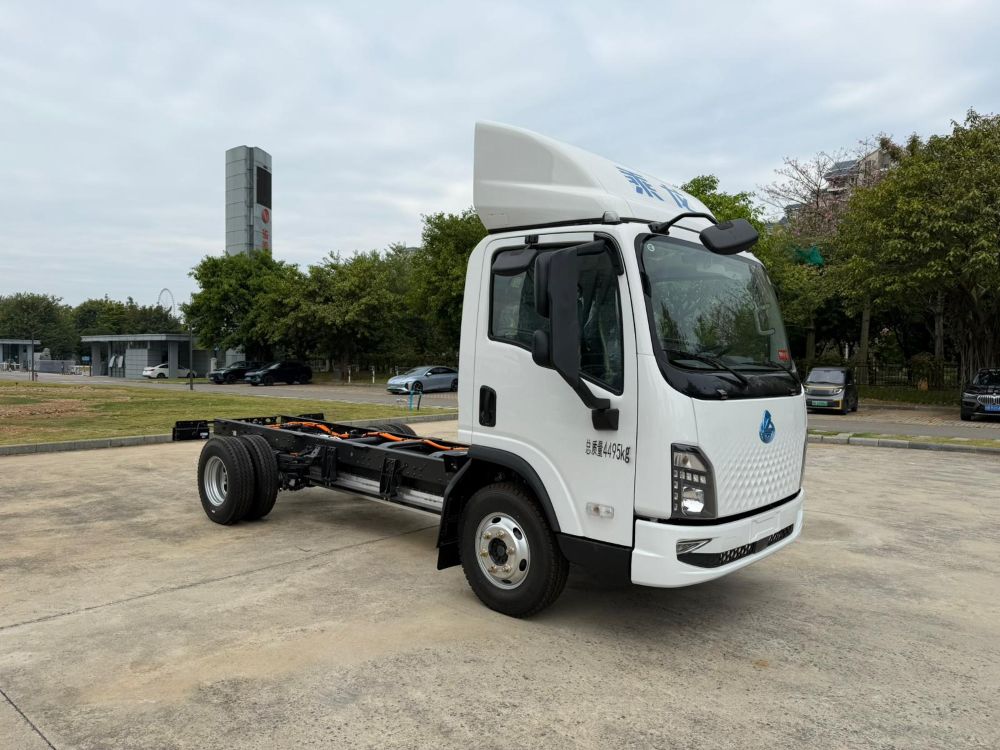
Hong Seh’s commercial electric vehicle lineup covers the full spectrum of fleet roles:
- Light Urban Delivery and Last-Mile Routes: The DFSK EC31 or DFSK EC35 suits frequent urban stops and tight delivery windows across HDB estates and shophouse corridors.
- General Dry Cargo and High-Value Cargo: The Farizon V7E handles light urban delivery, general dry cargo runs, and sensitive cargo requiring a sealed, clean cargo environment.
- Cold-Chain and Temperature-Controlled Cargo: The DFSK EC31 Freezer Truck is built for cold-chain distribution.
- Medium-Duty Palletized Freight: The SRM T3EV, with a 1,900 kg payload capacity and the largest deck in its class, carries palletized loads without forcing a step up to heavy-duty licensing. The Chenglong L2 EV sits between the SRM T3EV and the heavy-duty tier, offering a longer deck for operators who need more capacity without moving into the highest vehicle class.
- Heavy Industrial or Inter-Hub Haulage: The Farizon H9E electric truck handles high-weight loads across industrial estates, construction sites, and port-adjacent routes.
Step 3: Plan Your Charging Infrastructure
Charging infrastructure planning covers three variables:
- How many charging points your commercial electric vehicle fleet needs
- Where these charging points are placed
- What charger type suits your routes
Depot-based AC charging suits businesses with fixed routes and overnight parking, where vehicles charge fully between shifts. For operations with shorter dwell times or less predictable routes, DC fast chargers at the depot or along key corridors allow vehicles to top up between runs without extended downtime.
Assess your depot’s electrical capacity and any required permits early. Infrastructure setup frequently takes longer to arrange than vehicle procurement itself, and underestimating this timeline is one of the most common transition planning errors.
Step 4: Plan for Operational Changes
Fleet electrification also requires adjustments to how the fleet is managed day-to-day.
- Monitoring State of Charge: Track battery levels across all EVs in the fleet to prevent range shortfalls before they disrupt delivery schedules.
- Setting Defined Charging Schedules: Establish fixed charging windows that align with route cycles and off-peak electricity rates to manage energy costs and vehicle readiness.
- Training Drivers on EV-Specific Habits: Ensure all drivers understand charging routines, regenerative braking behavior, and the pre-departure checks specific to electric vehicles.
Choose Hong Seh as Your Partner in Fleet Electrification
Fleet electrification in Singapore works best as a phased, planned process created around actual fleet usage rather than a single large purchase. Partnering with a trusted commercial electric vehicle provider can also determine how smoothly the rest of the transition goes.
Hong Seh Motors is an authorized distributor covering the full LGV to HGV range of commercial electric vehicles. We also have an n in-house workshop staffed by EV-certified technicians and end-to-end fleet consulting for businesses at any stage of their electrification journey.
If you’re planning an electric transition, Hong Seh Motors provides the lineup, infrastructure guidance, and in-house technical support to keep your operations moving.
Contact Hong Seh today, and our friendly team will help you choose the right vehicles for your electric fleet.
Comments are closed