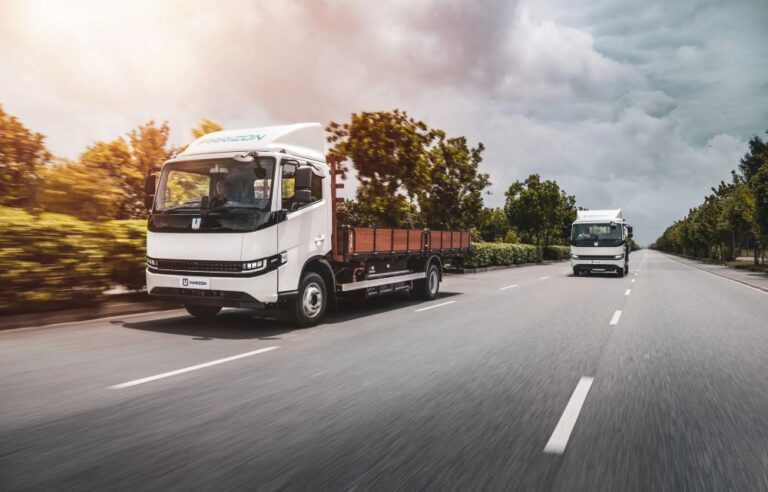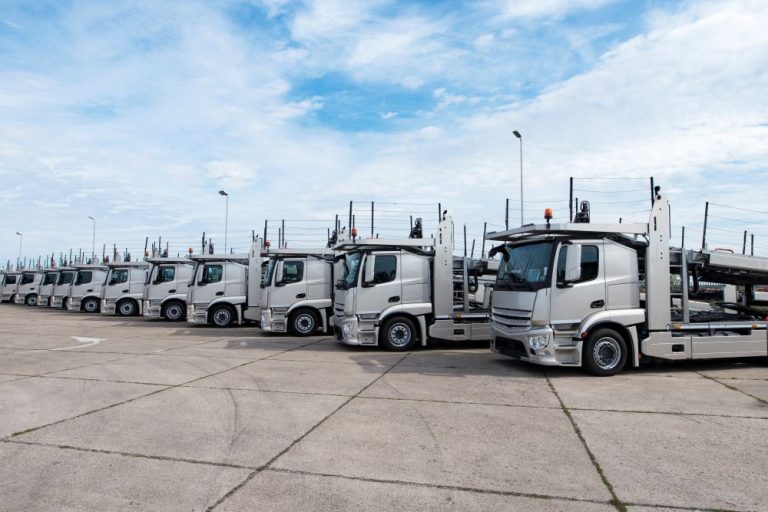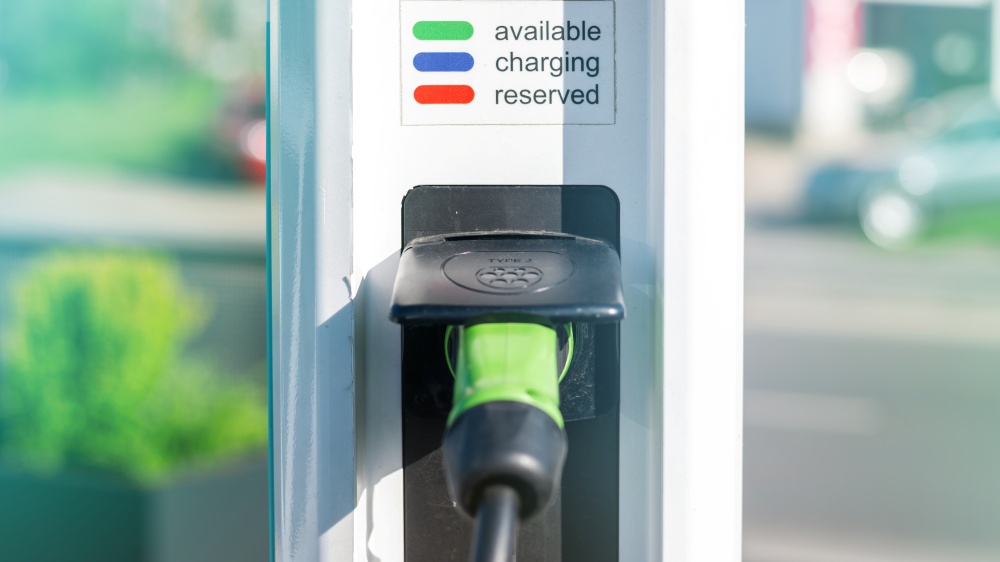
Electrifying a commercial fleet is only the first half of the operational shift. The second half is ensuring the depot can actually charge the vehicles efficiently, reliably, and within Singapore’s regulatory framework. Without the right charging setup, electric trucks and vans cannot deliver their ideal range and availability.
Unlike relying on public chargers, a well-planned depot charging setup gives you full control over charging schedules, operating costs, and vehicle availability. Several factors come into play when installing a commercial EV charging station, from the initial electrical assessment to LTA compliance requirements, charger selection, cost factors, and available grants to offset installation costs.
Planning Your Depot Charging Setup
Before ordering a single piece of equipment, you need to assess these factors:
1. Assess Your Electrical Capacity
A commercial EV charger draws more current than standard industrial equipment, and many depots’ existing electrical distribution boards were not sized to accommodate multiple chargers. A DC fast charger in particular may require a premises power upgrade to meet the additional load demand.
Engage a Licensed Electrical Worker (LEW) at this stage. Under Singapore’s Electric Vehicles Charging Act (EVCA), all fixed EV charger installations must be carried out by an LEW licensed by the Energy Market Authority. The LEW will assess whether the existing distribution board can support the additional load or whether an upgrade is required before installation can proceed.
2. Plan Your Space and Physical Layout
Charger placement should be mapped against two factors:
- Vehicle parking positions
- Proximity to the electrical distribution board
Distance from the main board affects commercial EV charging station installation cost, since longer cable runs require more conduit, more labor, and more materials. Locating chargers as close to the power source as the depot layout allows keeps these costs down without compromising the installation.
LTA also requires a specific emergency main isolation shut-off switch for each fixed non-residential charger. Space planning should account for these requirements from the outset:
- Location: No more than 15 meters from the charger and its parking lot, and at least 3 meters away from the charger itself.
- Operation: Manually operable without a key, tool, or special knowledge.
- Mounting Height: Between 800mm and 1.2 meters above finished floor level.
- Visibility and Labeling: Clearly visible, easily accessible, and clearly labeled with signage letters at least 50mm high.
3. Determine How Many Chargers You Need
Fleet size and overnight dwell time together determine the number of chargers required. For fleets returning to depot nightly, a single AC charger per two or three vehicles is often sufficient if charging windows are staggered.
High-utilization vehicles operating across two shifts, or commercial electric vehicle models used for longer daily routes, may require a dedicated charger per bay or a DC fast charger for mid-shift top-ups.
Choosing the Right Charger for Your Fleet
All EV chargers installed in Singapore must be LTA type-approved and comply with TR25:2022 standards. Only chargers carrying an LTA approval label may be installed, certified, and registered for use.
The choice between charger types depends on vehicle utilization patterns:
1. AC Level 2 Chargers for Overnight Depot Charging
Fixed AC chargers, classified as Mode 3 under TR25, are the standard choice for commercial depot use. They deliver a full charge overnight for most LGV models and use Singapore’s standard Type 2 connector.
AC chargers are the most cost-efficient option for fleets with overnight downtime, including electric trucks like the DFSK EC35, Farizon Supervan, Farizon V7e, and SRM T3EV that complete a single daily shift.
The off-peak electricity tariff advantage compounds this further. Several electricity retailers in Singapore offer overnight off-peak windows, during which per-kilowatt-hour rates can be lower than daytime peak rates, reducing the operating cost of running the fleet across a full month.
2. DC Fast Chargers for High-Utilization Vehicles
DC fast chargers, classified as Mode 4 under TR25, convert AC power externally and feed DC current directly into the battery, significantly reducing charge time compared to AC units. They suit high-utilization vehicles running extended hours or multiple shifts, such as the Farizon H9E, Farizon H5e, and Chenglong L2 EV, where a mid-shift top-up is needed to complete a full day’s route.
Note that Singapore’s connector standard for DC fast charging is CCS2.
The Installation Process: Step by Step
Commercial EV charger installation in Singapore follows a structured sequence aligned with LTA requirements. Each step must be completed in order before the charger can legally operate:
- Step 1: Procure LTA type-approved chargers that match each vehicle model’s on-board charger and connector type.
- Step 2: Engage a Licensed Electrical Worker (LEW) to carry out the physical installation, including wiring, circuit breaker installation, and mounting of the charger unit and emergency isolation switch.
- Step 3: Upon completion of installation, the LEW endorses the Certificate of Fitness checklist.
- Step 4: Engage a certified EV charger equipment specialist to certify the installation as fit for charging. The equipment specialist conducts an independent inspection and issues the Certificate of Fitness.
- Step 5: Submit the Certificate of Fitness to register the charger with LTA via the OneMotoring portal. Chargers may not be used until registration is complete.
How Much Does It Cost to Have an EV Charging Station Installed?
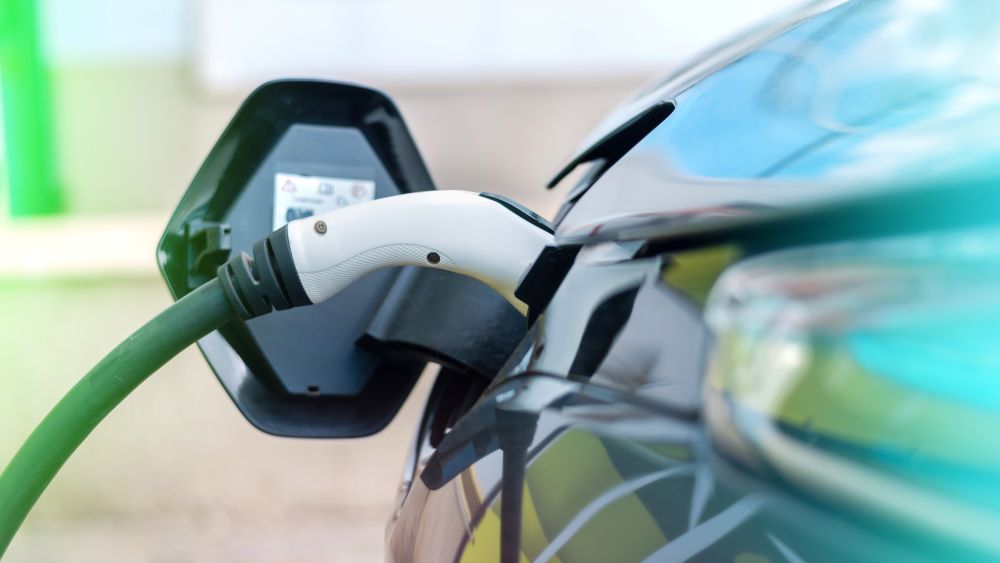
Installation cost for a commercial EV charging station varies based on these key drivers:
- Electrical Panel Upgrades: If the existing distribution board cannot support the additional load of one or more commercial chargers, upgrading the panel is a major cost variable that must be resolved before charger installation can begin.
- Distance from the Electrical Panel to Charger Locations: The longer the cable run, the more conduit, wiring, and labor is required. Depot layouts where charger bays are located far from the main board cost more to install than those where chargers are close to the power source.
- Charger Specifications and Smart Features: Chargers with Wi-Fi connectivity, load balancing, and telematics integration cost more per unit than basic fixed units. For multi-vehicle fleets, smart load management features can reduce peak demand charges and pay back the cost difference over time.
- Permits and Certification: LEW installation, certified equipment specialist inspection, and LTA charger registration each carry associated fees that should be factored into the total project budget from the outset.
Reducing Your Installation Costs with the EHVCG Grant
Certain government schemes can help offset the cost of transitioning to electric heavy vehicles and installing a commercial charging station:
- Electric Heavy Vehicle Charger Grant (EHVCG): Co-funds up to 50% of charger installation costs, capped at $30,000 per charger. Applies to the first 500 chargers approved, with up to three chargers per site, and runs from 1 January 2026 to 31 December 2028.
- Heavy Vehicle Zero Emission Scheme (HVZES): Provides $40,000 per qualifying zero-tailpipe-emissions heavy goods vehicle or bus registered during the same period. Each eHV registered under HVZES also supports eligibility for one EHVCG charger.
Both schemes require eHV registration and follow the same timeline, giving electric truck operators a pathway to offset vehicle acquisition and charging infrastructure costs within the same fleet transition project.
Working with an authorized EV distributor like Hong Seh Motors can help fleet operators coordinate vehicle procurement and charger eligibility documentation to ensure both grants are accessible within the same project timeline.
Optimizing Your Charging Strategy for Ongoing Cost Savings
Installation is a one-time cost, but EV charging strategy is ongoing. Small adjustments to how and when vehicles charge deliver measurable savings over the fleet’s life.
Fleet operators running commercial electric vehicle models can apply these principles from day one:
- Off-Peak Tariff Scheduling: Program chargers to run during overnight off-peak windows to reduce the per-kilowatt-hour cost per vehicle without affecting fleet readiness for the morning shift.
- Charging Best Practice: Set charge limits to keep battery state of charge between 20% and 80% for daily operations to extend battery lifespan and reduce the frequency of future battery replacement.
- Telematics Integration: Smart charger systems that communicate with fleet management software let you prioritize charge delivery by dispatch order, ensure vehicles leave fully charged for high-priority routes, and flag charging anomalies before they cause downtime.
Build a Charging Setup That Works as Hard as Your Fleet
Setting up an EV charging station at a commercial depot involves an electrical assessment, selecting LTA-compliant chargers, licensed installation, and grant applications. Each step contributes to a cost-efficient, operationally reliable setup from day one.
Hong Seh Motors supports fleet operators beyond vehicle supply by guiding them in matching the right charger configuration to each electric truck and van in their lineup. Whether you are transitioning a small urban delivery fleet or a larger mixed-vehicle operation, the right charging setup starts with the right advice.
Contact Hong Seh Motors to discuss your depot charging requirements and identify the right combination of electric trucks, EV vans, and charging infrastructure for your operations.